A fresh coat of paint does more than improve your home’s appearance. It protects your siding, trim, and other surfaces from moisture, sunlight, and everyday wear. Waiting too long to repaint can leave your home vulnerable to damage that is often much more expensive to repair than repainting itself.
So how often should you paint your house in Salisbury, NC?
The answer depends on several factors, including the materials your home is built with, the quality of the previous paint job, and how well the exterior has been maintained. North Carolina’s climate also plays an important role.
Here’s what homeowners should know.
Salisbury’s Climate Can Shorten the Life of Exterior Paint
Homes in Salisbury experience hot summers, humidity, frequent rain, and plenty of sunshine throughout the year. Over time, these conditions slowly break down even high-quality paint.
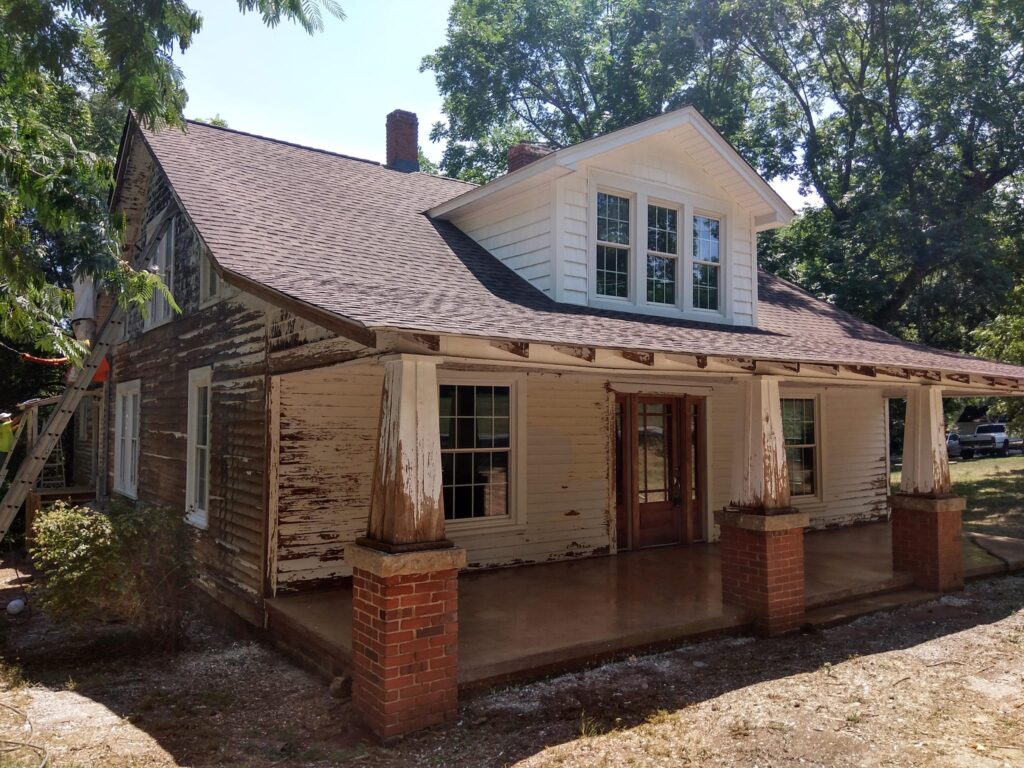
Moisture can encourage mildew and algae growth, while constant UV exposure causes colors to fade and paint to lose its protective qualities. As paint ages, it becomes more likely to crack, peel, or allow water to reach the surfaces underneath.
Keeping up with routine exterior painting helps protect your home before small cosmetic issues become costly repairs.
General Guidelines for Repainting
Every home is different, but these timeframes provide a good starting point.
Wood siding: Every 5 to 7 years
Wood naturally expands and contracts with changing temperatures and humidity. Because of this movement, it generally requires repainting more often than other materials.
Fiber cement siding: Every 10 to 15 years
Fiber cement is one of the most durable siding materials available, but regular inspections are still important. Touch-ups may be needed before a full repaint depending on sun exposure and weather.
Stucco: Every 5 to 10 years
Stucco performs well when maintained properly, but cracks should be addressed quickly to keep moisture from getting behind the surface.
Brick: Every 15 to 20 years (if painted)
Painted brick typically lasts a long time, although fading and moisture issues can reduce its lifespan.
Signs It’s Time to Repaint
Rather than focusing only on the calendar, pay attention to how your home’s exterior looks.
Some of the most common warning signs include:
- Peeling or flaking paint
- Fading color
- Cracked caulking around windows and trim
- Exposed wood
- Chalking, where paint leaves a powdery residue when touched
- Mildew or algae that continues returning
- Bubbling or blistering paint
If you notice several of these issues, it’s a good idea to have your home evaluated before the damage spreads.
Preparation Makes All the Difference
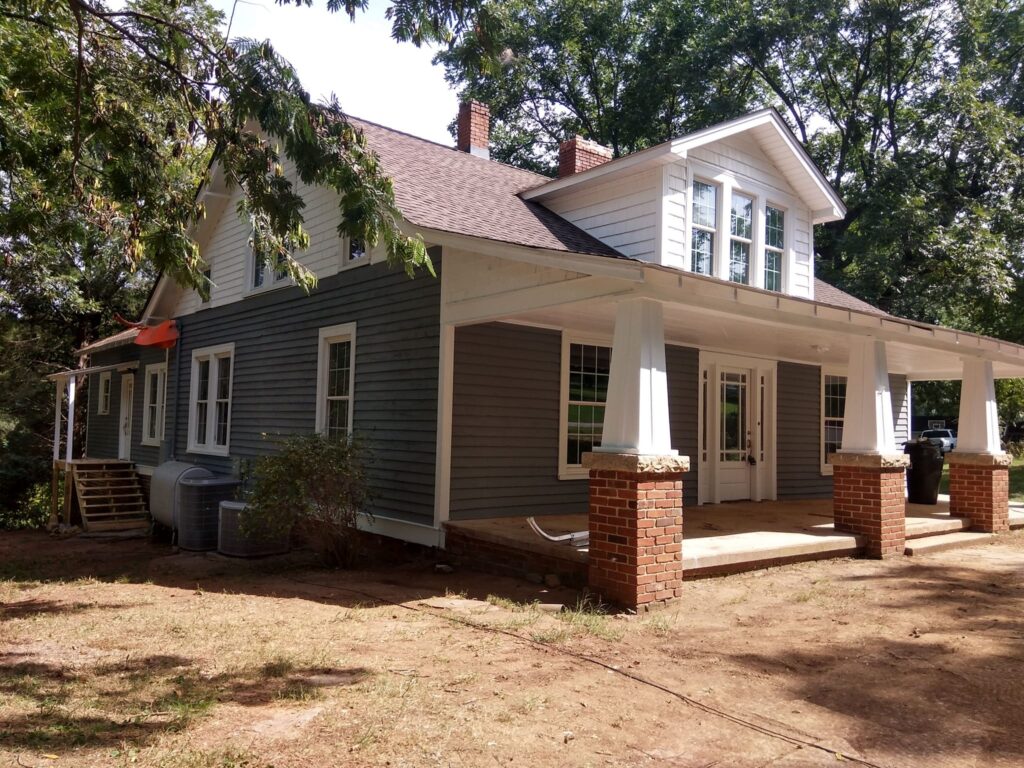
Many homeowners assume paint fails because the wrong product was used. More often, the real problem is poor preparation.
Before painting begins, surfaces should be thoroughly cleaned to remove dirt, pollen, mildew, and loose paint. In many cases, pressure washing is one of the first and most important steps because it creates a clean surface for the new coating to properly adhere.
Professional preparation may also include scraping, sanding, caulking, priming, and replacing damaged sections before the finish coats are applied.
Skipping these steps often leads to peeling paint much sooner than expected.
Don’t Forget Other Painted Surfaces Around Your Home
Your siding is not the only part of your property that benefits from routine maintenance.
Wood decks and fences are constantly exposed to sunlight, rain, and changing temperatures. Regular staining or painting helps protect the wood from moisture while keeping your outdoor spaces looking their best. If these areas are beginning to fade or show signs of weathering, it may be time to consider professional deck and fence painting as part of your home’s overall maintenance plan.
Interior Paint Lasts Much Longer
Inside your home, paint is protected from weather, but everyday life still takes its toll.
Hallways, kitchens, bathrooms, and children’s bedrooms often need repainting every 3 to 7 years because they experience more traffic, moisture, and cleaning.
Minor wall damage such as nail holes, dents, and small cracks is also common over time. Addressing these imperfections through professional drywall repair before painting helps create a smooth, long-lasting finish.
Repainting Before Problems Become Expensive
One of the biggest mistakes homeowners make is waiting until paint has completely failed.
Once moisture begins reaching wood or trim, repairs can quickly become much more expensive than a routine repaint. By addressing fading, peeling, or cracking early, you help preserve your home’s exterior while maintaining its curb appeal and value.
Regular inspections every year or two can help identify small issues before they develop into larger problems.
Protect Your Home With Professional Painting
Every home ages differently, but staying ahead of repainting is one of the best ways to protect your investment. Whether your exterior is beginning to fade or you’re simply wondering if it’s time for a fresh coat, an experienced painting contractor can help you determine the right solution.
At Superior Colors, we provide professional exterior painting services for homeowners throughout Salisbury, NC. From thorough preparation to high-quality finishes, our team focuses on craftsmanship that looks great and stands up to North Carolina’s climate.
If you’re unsure whether your home is ready for repainting, contact Superior Colors today for a free estimate and expert recommendations.