A fresh coat of paint can completely transform your home’s appearance, but painting isn’t just about aesthetics. Your home’s paint also serves as a protective barrier against moisture, sunlight, and everyday wear and tear. Over time, even high-quality paint begins to deteriorate, leaving your home looking worn and potentially exposing underlying surfaces to damage.
The challenge for many homeowners is knowing when it’s time to repaint. Some warning signs are obvious, like peeling paint or large cracks, while others develop gradually and are easy to overlook.
For homeowners in Salisbury, NC, and surrounding communities, the combination of hot summers, humidity, seasonal rain, and fluctuating temperatures can accelerate paint deterioration, particularly on exterior surfaces.
Recognizing these seven warning signs can help you determine when it’s time to schedule a professional paint job before minor problems become expensive repairs.
1. Your Paint Is Peeling, Cracking, or Flaking
One of the clearest signs that your home needs repainting is visible paint deterioration.
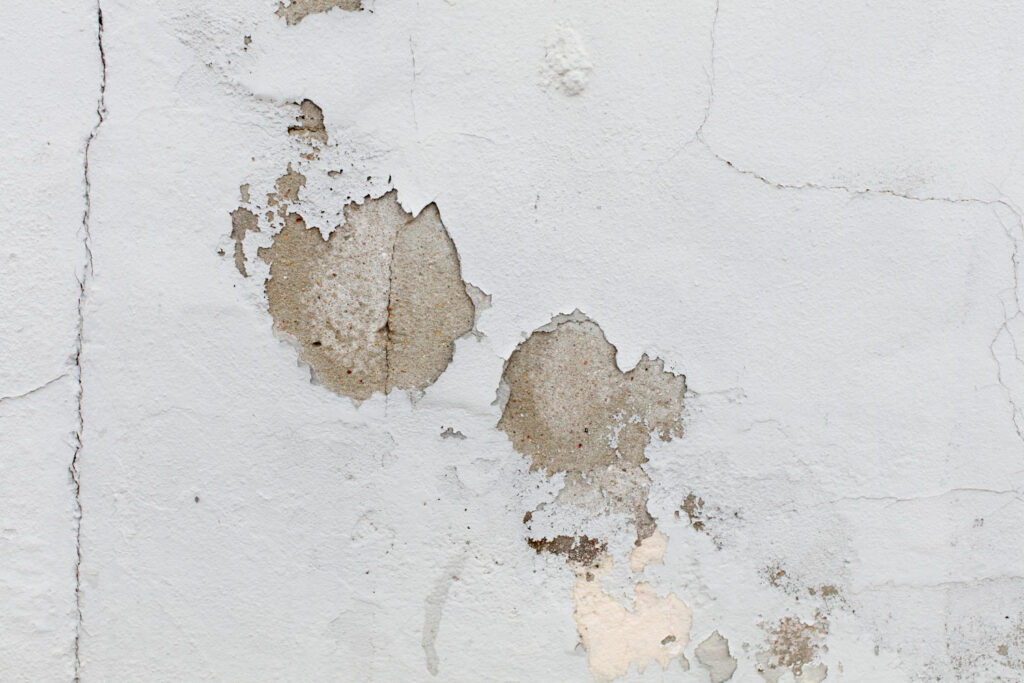
Peeling, cracking, and flaking occur when the existing paint coating begins losing its adhesion to the underlying surface. While these problems may start in small areas, they can spread as the paint continues to deteriorate.
Common causes include:
- Moisture exposure: Water penetrating beneath the paint can weaken adhesion and cause peeling.
- Improper surface preparation: Paint applied over dirt, loose coatings, or damp surfaces may fail prematurely.
- Age and weathering: Years of sunlight, temperature changes, and exposure to the elements gradually weaken paint.
- Low-quality materials: Some coatings may not provide the durability needed for the surface or environment.
Peeling paint isn’t simply a cosmetic issue. Once the protective coating begins separating from the surface, underlying materials such as wood siding and trim may become more vulnerable to moisture damage.
If you’re noticing peeling or cracking on your home’s siding, doors, or trim, scheduling professional exterior painting can help address the deteriorating coating before the problem spreads.
Keep in mind that painting over loose or damaged paint won’t solve the underlying problem. The affected surfaces must be properly prepared before a new coating is applied.
2. Your Home’s Exterior Color Has Noticeably Faded
Have you noticed that your home’s once-vibrant exterior color now looks dull, washed out, or uneven?
Paint fading is a natural consequence of prolonged exposure to sunlight, particularly ultraviolet (UV) radiation.
Over time, UV exposure can break down components within the paint coating, causing colors to lose their original intensity. Darker and more saturated colors may show fading more noticeably, especially on surfaces receiving direct afternoon sunlight.
In North Carolina, long summers and substantial sun exposure can make fading particularly noticeable on south-facing and west-facing walls.
Is Faded Paint Always a Problem?
Not necessarily. Some degree of fading is normal and doesn’t automatically mean the coating has failed.
However, significant fading may indicate that your exterior paint is aging and should be evaluated for other signs of deterioration.
Pay attention to whether the faded areas also exhibit:
- A powdery residue on the surface.
- Cracking or peeling.
- Uneven discoloration.
- Exposed or deteriorating siding.
- Loss of the paint’s original finish.
If your exterior has become noticeably faded, repainting can restore your home’s curb appeal while providing an opportunity to inspect and address any underlying surface problems.
For homeowners considering a color change, an exterior house painting project can also dramatically update the appearance of an older home without requiring major renovations.
3. You Notice Chalky Residue on Your Exterior Walls
Have you ever brushed your hand against your home’s siding and noticed a fine, powdery substance left behind?
This is commonly known as paint chalking, and it’s another indication that your exterior coating may be deteriorating.
Chalking occurs as components of the paint gradually break down through weather exposure, leaving behind a powdery residue on the surface.
A small amount of chalking can be normal for certain exterior coatings. However, excessive chalking may indicate that the paint is approaching the end of its useful lifespan.
Why Is Chalking a Concern?
Heavy chalking can create several problems.
First, it may indicate that the coating has experienced significant weathering.
Second, chalky residue can interfere with the adhesion of new paint if it isn’t properly removed during surface preparation.
Finally, excessive chalking may be accompanied by fading and other signs that the existing coating is losing its protective properties.
If you suspect your exterior paint is chalking, try gently rubbing a clean, dark-colored cloth against a dry section of the painted surface.
If a noticeable amount of powder transfers to the cloth, it may be worth having the coating evaluated.
Professional painters can determine whether the existing paint requires cleaning, additional preparation, priming, or complete repainting.
4. You See Bubbling, Blistering, or Moisture Damage
Bubbling or blistering paint is often a sign that something is interfering with the paint’s adhesion.
These problems occur when pockets form beneath the coating, causing the paint film to lift away from the underlying surface.
Several factors can contribute to blistering, including:
- Moisture trapped beneath the paint.
- Painting over damp surfaces.
- Excessive heat during application.
- Incompatible paint products.
- Improper preparation or application techniques.
Moisture-related blistering is particularly concerning because it may indicate that water is reaching areas that should remain protected.
For example, damaged caulking around windows or deteriorating trim may allow moisture to enter the surrounding materials.
Why You Shouldn’t Simply Paint Over Blisters
Applying another coat of paint over a blistered surface generally won’t correct the underlying issue.
If moisture or adhesion problems remain, the new coating may fail in the same location.
Instead, the source of the problem should be identified and corrected before the affected paint is removed and the surface is properly prepared.
This is one of the reasons professional surface preparation is so important. A quality paint job begins with identifying and addressing conditions that could compromise the finished coating.
If you’re noticing recurring blistering or peeling around windows, doors, or exterior trim, a professional exterior painting contractor can evaluate the affected surfaces and determine what preparation is necessary before repainting. Active leaks or damaged building materials may require separate repairs first.
5. Your Interior Walls Are Covered in Scuffs, Stains, and Marks
Not every reason to repaint involves structural protection or deteriorating exterior coatings.
Sometimes, your home’s interior simply begins showing the effects of everyday life.
High-traffic areas such as hallways, kitchens, living rooms, and children’s bedrooms often develop visible wear long before the rest of the house.
Common examples include:
- Scuff marks from furniture and shoes.
- Fingerprints and handprints around doors and light switches.
- Stains that no longer respond to cleaning.
- Scratches and chips in the paint.
- Uneven patches from previous touch-ups.
- Discoloration caused by sunlight or age.
Although many modern interior paints are designed to withstand routine cleaning, repeated scrubbing can gradually affect the finish.
Over time, even a clean room may begin looking tired because of worn or uneven wall surfaces.
When Is It Better to Repaint Instead of Touch Up?
Touch-up painting can work well for small, isolated marks, particularly when the original paint is still available.
However, touch-ups may become noticeable when the existing paint has faded, the sheen has changed, or the original application texture cannot be matched.
If a wall has numerous patches, scratches, or worn areas, repainting the entire surface may provide a more consistent result.
Professional interior painting services can help restore heavily used rooms and create a cleaner, more cohesive appearance throughout your home.
6. Your Caulking Is Cracking or Gaps Are Appearing Around Trim
Paint and caulking often work together to help protect your home’s exterior.
Caulking is commonly used to seal appropriate joints and gaps around windows, doors, trim, and other exterior features.
Over time, caulking can become brittle, crack, shrink, or separate from adjoining surfaces.
When these seals deteriorate, moisture may be able to enter areas that were previously protected.
You may notice:
- Cracks along painted trim joints.
- Gaps where trim meets siding.
- Caulking pulling away from window or door frames.
- Peeling paint near previously sealed joints.
- Discoloration around vulnerable exterior areas.
Not every gap should be sealed, since some building assemblies require drainage or ventilation. However, deteriorating caulking in locations designed to be sealed should be addressed.
Why Caulking Matters Before Repainting
A professional exterior painting project often involves inspecting existing caulking and replacing deteriorated material where appropriate.
This helps create a properly prepared surface and reduces the likelihood of moisture-related problems affecting the new coating.
If your home’s trim and siding are showing widespread signs of aging, it may be more practical to address the necessary preparation and exterior repainting together rather than repeatedly making small cosmetic repairs.
7. Your Home Simply Looks Outdated
Sometimes, the most obvious sign that your home could benefit from repainting has nothing to do with peeling, cracking, or moisture.
Your home’s appearance may simply no longer reflect your personal style.
Paint colors that were popular ten or fifteen years ago may feel dated today. Likewise, previous owners may have selected colors that don’t complement your furniture, flooring, cabinetry, or exterior architecture.
A fresh paint job can make a surprisingly significant difference without requiring extensive remodeling.
Updating Your Home’s Exterior
Changing your home’s exterior color can help modernize its appearance, highlight architectural details, and improve curb appeal.
Even repainting trim, shutters, or doors can create a noticeable improvement when the existing siding is still in good condition.
Refreshing Interior Spaces
Inside the home, a new color palette can make rooms feel brighter, warmer, or more cohesive.
For example, updating dark or heavily saturated walls with a lighter neutral color may help smaller spaces feel more open.
Likewise, repainting kitchen cabinets can transform the appearance of a kitchen without the expense of a complete cabinet replacement.
Whether you’re preparing to sell your home or simply want to enjoy your living space more, painting is often one of the most accessible ways to make a meaningful visual improvement.
How Often Should You Repaint Your House?
There isn’t a universal schedule that applies to every home.
The lifespan of a paint job depends on several factors, including the surface material, paint quality, preparation, climate, and exposure to sunlight and moisture.
As a general guideline, many exterior paint jobs last approximately five to ten years, although some coatings may require attention sooner while others can last considerably longer.
Interior paint often lasts longer because it isn’t exposed to the same weather conditions. However, high-traffic rooms may need repainting more frequently.
Here’s a general comparison:
| Surface | Typical Repainting Considerations |
| Exterior wood siding | Often requires attention every 3–7 years, depending on exposure and maintenance |
| Exterior fiber cement siding | May last 7–15 years or longer with suitable coatings and preparation |
| Exterior painted brick | Varies considerably depending on moisture conditions and coating type |
| Interior living rooms and bedrooms | Often 5–10 years, depending on wear |
| Interior hallways and children’s rooms | May need repainting every 2–5 years due to heavy use |
| Painted kitchen cabinets | Depends heavily on coating quality, preparation, and daily use |
These ranges are estimates rather than strict maintenance schedules.
A properly applied coating on a well-maintained surface may last much longer than expected, while a poorly prepared surface can experience premature failure.
The condition of your paint is ultimately more important than its age.
Why Professional Painting Is Worth Considering
When homeowners notice signs of paint deterioration, they sometimes assume that applying a fresh coat themselves will be enough to solve the problem.
However, painting over an aging or damaged coating without addressing the underlying conditions can lead to disappointing results.
A professional painting project involves evaluating the surface, determining what preparation is necessary, selecting suitable materials, and applying the coating under appropriate conditions.
Proper Surface Preparation
One of the most important differences between a lasting paint job and one that fails prematurely is the quality of the preparation.
Professional painters understand the importance of removing loose coatings, cleaning surfaces, addressing damaged areas, and using primers when needed.
Appropriate Paint Selection
Different surfaces require different coatings.
Exterior siding, interior drywall, cabinets, doors, and trim may each benefit from products designed for their specific application.
Choosing the correct paint can improve durability, appearance, and maintenance requirements.
Consistent Application and Finish
Achieving a professional-looking finish requires more than the right color.
Proper application techniques help minimize visible roller marks, uneven coverage, lap marks, and other imperfections.
Identifying Problems Before They Get Worse
An experienced painter may also notice surface issues that homeowners have overlooked, such as deteriorating caulking, damaged trim, or signs of moisture exposure.
Addressing these problems before painting can help protect your investment and reduce the likelihood of premature coating failure.
For homeowners in Salisbury, choosing an experienced local painting company can make the process easier while helping ensure the work is appropriate for the home’s surfaces and local climate.
Should You Repaint Your Entire House or Just the Damaged Areas?
Not every paint problem requires a complete repaint.
If the existing coating is in good condition and damage is limited to a small area, localized repairs and touch-ups may be sufficient.
However, a full repaint may be more practical when:
- Peeling or cracking appears across multiple surfaces.
- The existing color has faded significantly.
- Previous touch-ups are noticeably mismatched.
- Large areas require scraping, sanding, or priming.
- You want to change your home’s overall appearance.
- The existing paint is approaching the end of its useful lifespan.
The goal shouldn’t necessarily be to repaint as much as possible. It should be to identify the most effective way to restore the appearance and condition of your home.
A professional assessment can help you understand which areas need attention and whether a complete repaint makes sense.
Protect and Refresh Your Home With Superior Colors Painting
Your home’s paint does more than make it look attractive. It helps protect exterior surfaces, creates a comfortable interior environment, and contributes to the overall appearance and value of your property.
Recognizing the early signs of deterioration can help you address problems before they become more expensive or difficult to repair.
At Superior Colors Painting, we provide professional painting services for homeowners throughout Salisbury, NC, and surrounding communities.
Whether your exterior paint is peeling, your interior walls are showing years of wear, or you’re simply ready for a new look, our team can help you determine the right approach for your home.
We offer exterior painting, interior painting, and additional painting services designed to help homeowners improve and maintain their properties.
Noticing signs that your home needs a fresh coat of paint? Contact Superior Colors Painting today to discuss your project and request an estimate.