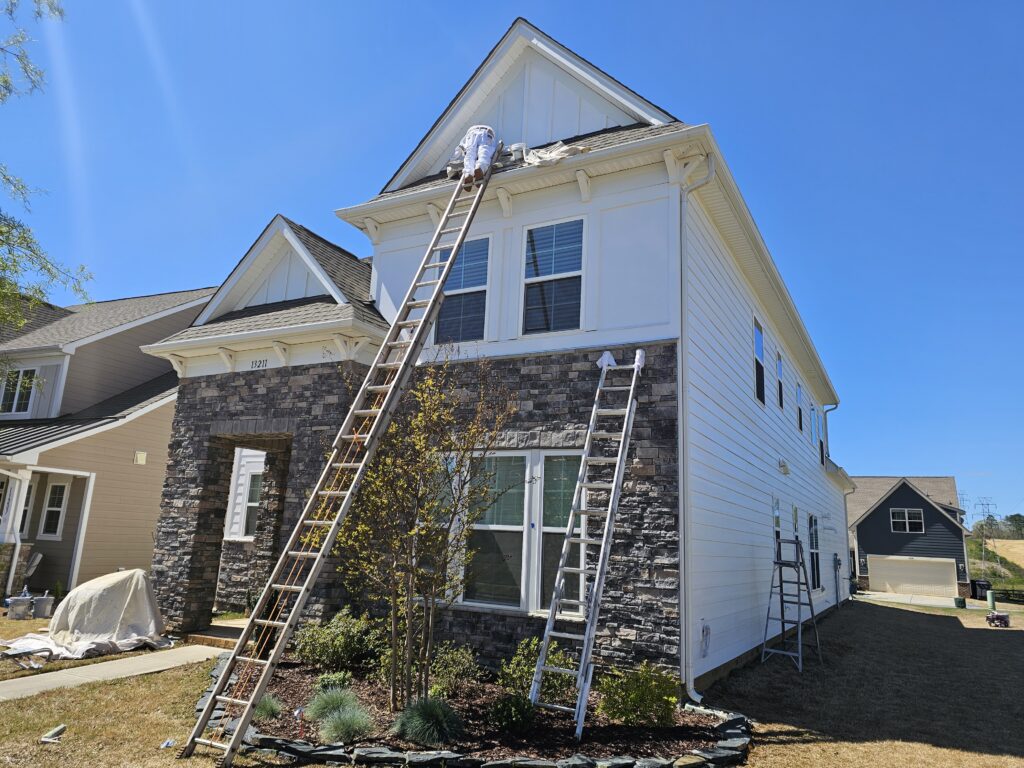
Fall is one of the best times of year to tackle home improvement projects in North Carolina. As the summer heat begins to fade and temperatures become more comfortable, many homeowners start thinking about refreshing their home’s appearance before winter arrives. But is fall actually a good time to paint the exterior of your house?
The short answer is yes, fall can be one of the best seasons for exterior house painting in North Carolina, provided the weather conditions are right.
For homeowners in Salisbury and surrounding Rowan County communities, autumn often brings moderate temperatures and manageable humidity levels that are well-suited for painting. However, cooler nights, morning dew, and unpredictable weather can introduce challenges that require careful planning.
If you’re considering professional exterior painting, understanding how seasonal conditions affect paint application can help you decide whether to schedule your project this fall or wait until spring.
Why Fall Is a Great Season for Exterior House Painting
Although spring and summer are traditionally associated with outdoor home improvement, fall offers several advantages that can make it an excellent time to repaint your home’s exterior.
1. Cooler Temperatures Help Paint Cure Properly
Temperature plays an important role in how exterior paint dries and develops a durable finish.
During the summer, North Carolina temperatures frequently climb into the 90s. When exterior surfaces become excessively hot, paint can dry too quickly, making it difficult to maintain a consistent finish. Rapid drying can contribute to visible brush marks, lap marks, and other application problems.
Fall generally offers more moderate daytime temperatures, creating a more favorable environment for professional painters.
Many exterior latex paints perform well when temperatures are between approximately 50°F and 85°F, although the acceptable range depends on the specific product.
When applied under appropriate conditions, exterior paint has a better opportunity to level properly and form a consistent, protective coating.
2. Lower Humidity Can Improve Drying Conditions
North Carolina summers are known for their heat and humidity, both of which can complicate exterior painting projects.
High humidity slows the evaporation of water from latex paint. This can extend drying times and increase the risk of problems if rain or condensation reaches the surface before the coating has developed sufficient resistance.
As autumn arrives, humidity levels often become more manageable.
Lower humidity can help:
- Reduce drying delays between coats.
- Improve scheduling predictability.
- Minimize the risk of moisture-related application problems.
- Create more favorable conditions for achieving a consistent finish.
However, humidity can still fluctuate significantly during the fall. Experienced painters evaluate actual weather conditions rather than relying on the season alone.
3. Fall Weather Is Often More Comfortable for Painting
Exterior painting involves much more than simply applying a fresh coat of paint. Proper preparation may require washing surfaces, scraping loose paint, sanding, caulking, priming, and protecting landscaping.
Completing these tasks during North Carolina’s hottest summer months can be challenging.
Cooler autumn temperatures create more comfortable working conditions and may help painting crews maintain a consistent pace throughout the day.
This is particularly beneficial for larger homes or projects involving extensive surface preparation.
4. Painting in Fall Protects Your Home Before Winter
Exterior paint does more than improve your home’s appearance. It also serves as a protective coating against moisture, sunlight, and everyday exposure to the elements.
If your home’s existing paint is peeling, cracking, or deteriorating, exposed siding and trim may become more vulnerable to moisture intrusion.
Addressing these problems before winter can help protect vulnerable surfaces from seasonal rain and fluctuating temperatures.
Scheduling an exterior house painting project before winter arrives gives homeowners an opportunity to address deteriorating coatings and protect their siding, trim, and other painted surfaces before colder weather sets in.
How Cold Is Too Cold to Paint a House?
One of the biggest concerns homeowners have about fall painting is whether temperatures will become too cold for the paint to adhere and cure properly.
The answer depends on the paint being used.
Traditional exterior latex paints commonly require temperatures of at least 50°F during application and for a specified period afterward. Some modern products are formulated for application at temperatures as low as 35°F.
However, the temperature at the time of application is only part of the equation.
Painters must also consider:
- Overnight temperatures: A warm afternoon doesn’t guarantee favorable conditions after sunset.
- Surface temperature: Siding, brick, and trim can be colder than the surrounding air.
- Drying and curing requirements: Paint needs sufficient time under suitable conditions to develop its intended properties.
- Humidity and dew: Condensation can interfere with freshly applied coatings.
- Manufacturer specifications: Different paint products have different temperature and moisture requirements.
For example, an afternoon temperature of 65°F might appear ideal for exterior painting. But if temperatures are expected to fall sharply overnight, the painting crew must determine whether the coating will have enough time to dry and develop adequate resistance before conditions change.
This is one reason hiring an experienced painting contractor is particularly valuable during the fall. A professional understands how to select suitable coatings and schedule work around the weather instead of risking a paint job that may fail prematurely.
What Are the Challenges of Painting a House in Fall?
Although autumn provides several advantages, it isn’t without its challenges.
Understanding these potential issues can help homeowners plan their projects more effectively.
Shorter Daylight Hours
As the season progresses, the amount of available daylight decreases.
This can limit the time painters have to complete preparation, application, and drying before evening temperatures begin to fall.
Professional painting crews account for these shorter working windows when scheduling projects.
Morning Dew and Surface Moisture
Even when the forecast calls for clear skies, morning dew can leave siding, trim, and other exterior surfaces damp.
Applying paint to wet surfaces can interfere with adhesion and contribute to premature coating failure.
Painters should allow surfaces to dry adequately before beginning work and verify that conditions meet the paint manufacturer’s requirements.
Unpredictable Weather
Fall weather in North Carolina can change quickly.
A stretch of sunny afternoons may be interrupted by rain, strong winds, or an unexpected cold front.
Because exterior painting requires suitable conditions throughout application and early drying, contractors may need to adjust their schedules to accommodate changing forecasts.
Falling Leaves and Debris
Autumn also introduces falling leaves, dust, and other debris that can settle on freshly painted surfaces.
Proper surface preparation, site protection, and application timing help reduce the likelihood of debris becoming trapped in the finish.
These challenges don’t necessarily mean homeowners should avoid painting in the fall. They simply reinforce the importance of choosing an experienced contractor who understands local weather conditions.
When Is the Best Month to Paint a House in North Carolina?
For many homeowners in central North Carolina, September and October offer an excellent balance of comfortable temperatures and favorable exterior painting conditions.
November can also be suitable, particularly during stretches of mild, dry weather.
Here’s a general overview of what homeowners can expect:
| Month | Exterior Painting Considerations |
| September | Warm daytime temperatures and generally ample daylight, although humidity and storms remain possible. |
| October | Often provides comfortable daytime temperatures and favorable conditions for exterior painting. |
| November | Painting remains possible, but shorter days, colder nights, and morning dew require additional planning. |
| December | Exterior painting may be possible during mild weather windows with appropriate products and conditions. |
It’s important to remember that these are general seasonal patterns rather than guarantees.
The best time to paint ultimately depends on the forecast, the surface being painted, and the requirements of the selected coating.
For homeowners considering exterior painting in Salisbury, NC, October is often an excellent month to schedule a project before shorter days and colder overnight temperatures begin limiting available painting windows.
Does Fall Weather Affect Different Exterior Surfaces?
Not all exterior surfaces respond to seasonal weather in the same way.
Homes throughout Salisbury and Rowan County feature a variety of exterior materials, including wood siding, fiber cement, brick, and painted trim.
Each material presents different preparation and application considerations.
Wood Siding and Trim
Wood can absorb moisture, making it particularly important to verify that surfaces are sufficiently dry before painting.
Any peeling paint, deteriorated caulking, or damaged wood should be addressed before applying a new coating.
Properly maintained exterior paint can help protect wood surfaces from moisture exposure and deterioration.
Fiber Cement Siding
Fiber cement siding can provide a durable painted finish when properly prepared and coated.
Painters should follow the siding and paint manufacturers’ recommendations regarding surface condition, moisture, and application temperatures.
Brick and Masonry
Painting brick requires careful attention to surface preparation, moisture conditions, and coating selection.
Masonry surfaces can retain moisture, and inappropriate coatings may contribute to peeling or trapped moisture problems.
A professional should evaluate the condition of the brick before recommending a painting system.
Doors, Shutters, and Exterior Trim
Smaller exterior features can often be refreshed without repainting the entire house.
However, these surfaces may experience significant temperature changes throughout the day, particularly when exposed to direct sunlight.
Proper scheduling and product selection remain important.
Should You Paint Your House in Fall or Wait Until Spring?
Both fall and spring can be excellent seasons for exterior painting in North Carolina.
The better choice depends on your home’s condition, your schedule, and the weather.
Fall may be the better option if:
- Your home’s exterior paint is already peeling, fading, or cracking.
- You want to improve curb appeal before the holidays.
- You prefer to complete exterior improvements before winter.
- The forecast offers a suitable stretch of dry, moderate weather.
- You’re planning to sell your home in the coming months.
Waiting until spring may make more sense if:
- Temperatures are consistently falling below the paint’s recommended application range.
- Your project requires extensive repairs that cannot be completed before colder weather.
- Persistent rain or moisture is preventing adequate surface preparation.
- Your home’s existing coating is in good condition and the project isn’t urgent.
If your exterior paint is showing signs of deterioration, however, postponing repairs for several months could allow existing problems to worsen.
Rather than guessing whether your home can wait until spring, consider having a professional painting contractor evaluate your exterior. They can assess the condition of your siding and trim, identify potential problem areas, and help determine the most appropriate time to complete the work.
Why Proper Surface Preparation Matters Even More in Fall
Regardless of the season, the quality of a paint job depends heavily on the work completed before the first coat is applied.
Fall weather makes careful preparation especially important because surfaces may be exposed to moisture, changing temperatures, and shorter drying windows.
A professional exterior painting project typically includes several important steps.
Surface cleaning: Dirt, mildew, and other contaminants must be removed to create a suitable surface for painting.
Scraping and sanding: Loose or peeling paint should be removed, and rough edges should be smoothed where appropriate.
Repairs and caulking: Damaged areas and gaps may need to be repaired or sealed before painting.
Priming: Bare or repaired surfaces may require primer to promote adhesion and provide a uniform foundation.
Weather monitoring: Conditions should be evaluated before application and throughout the coating’s required drying period.
Proper paint selection: Exterior coatings should be appropriate for the surface, climate, and expected application conditions.
Skipping these steps can compromise the durability and appearance of a paint job, even when the weather seems ideal.
For homeowners investing in a fresh exterior finish, proper preparation is one of the most important factors in achieving long-lasting results. This is especially true when working with older homes where previous paint layers, moisture exposure, or aging materials may require additional attention.
For a closer look at why these steps matter, read our guide on proper surface preparation before painting.
Can You Paint the Interior of Your House During Fall?
Absolutely. While exterior painting becomes more weather-dependent as temperatures drop, interior painting can be completed throughout the year.
In fact, fall is an excellent time to refresh interior spaces before the holiday season.
Many homeowners choose to repaint:
- Living rooms and family rooms before hosting guests.
- Dining rooms in preparation for holiday gatherings.
- Guest bedrooms before family visits.
- Kitchens and cabinets to update the appearance of their homes.
- Hallways and entryways that experience heavy daily traffic.
Interior painting still requires appropriate ventilation, temperature control, and drying conditions, but it is generally less affected by outdoor weather.
If exterior conditions become unsuitable, fall can be a great opportunity to focus on professional interior painting instead.
Homeowners looking for a more dramatic kitchen update may also consider cabinet painting as an alternative to replacing their existing cabinetry.
Get Your Home Ready for Fall With Superior Colors Painting
Fall can be one of the best times to repaint your home in North Carolina, but a successful project requires more than simply choosing a pleasant day.
Temperature, humidity, surface moisture, preparation, and paint selection all influence the quality and durability of the finished result.
At Superior Colors Painting, we help homeowners throughout Salisbury, NC, and surrounding Rowan County communities improve and protect their homes with professional painting services.
Whether your exterior paint is beginning to show its age or you’re ready to give your home a completely new look, our team can help you plan a project around your home’s needs and seasonal conditions.
From complete exterior painting services to interior painting, cabinet painting, and other home improvement projects, we’re committed to delivering quality workmanship and results you can enjoy for years to come.
Ready to refresh your home this fall? Contact Superior Colors Painting today to discuss your project and request a free estimate.