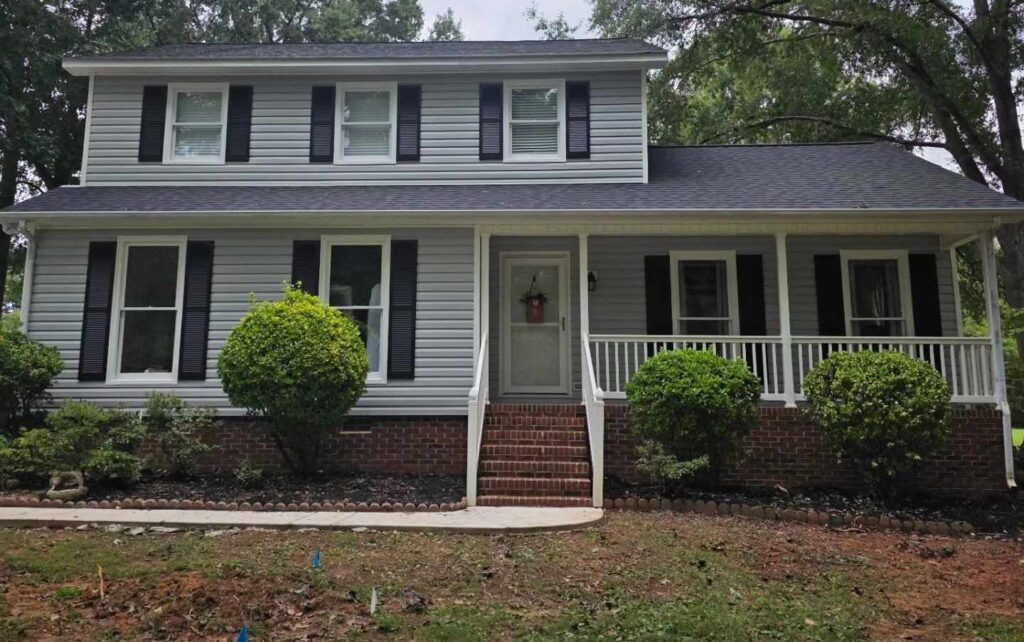
As September rolls into the Piedmont region of North Carolina, homeowners in Salisbury, Spencer, and across Rowan County start turning their attention toward home maintenance. With cooler air replacing the heavy humidity, a question frequently comes up: Is it better to paint your home’s exterior in the heat of summer, or should you wait for fall?
While summer is traditional home project season, the actual science of paint chemistry and coating performance points to a clear winner. Early autumn is often the single best time of year to paint a home exterior.
Understanding how paint cures, how humidity behaves, and how milder weather helps painting crews work efficiently makes it easy to see why fall provides maximum protection and longevity for your house.
The Science of Curing: Water Evaporation vs. Resin Fusion

To understand why summer sun is not always ideal for exterior paint, it helps to look at how modern 100 percent acrylic latex paint actually dries and hardens.
Exterior latex paint does not simply turn from wet to dry. It cures through a delicate two-stage chemical process:
- Water and Solvent Evaporation: The bulk liquid evaporates away from the surface.
- Polymer Coalescence: The remaining resin particles pack tightly together, fuse, and form a continuous, weather-resistant shield over your siding.
The Heat Problem: Thermal Flash-Off
When ambient temperatures rise above 85 or 90 degrees Fahrenheit, or when direct sun heats siding up to 110 degrees or higher, water flashes off out of the paint film far too quickly.
If liquid leaves the paint before the resin particles have enough time to flow together and compact, the paint cannot fuse into a strong membrane. This creates invisible micro-cracks and tiny pinholes in the finish. The paint may look dry on the outside, but its inner bond and resistance to UV rays are weakened. Within a couple of seasons, extreme heat application can lead to early chalking, flaking, or peeling.
The Fall Advantage: Complete Fusion
During late September, October, and early November in North Carolina, daytime temperatures regularly hover in a comfortable range between 60 and 78 degrees.
According to application guidelines published by leading manufacturers like Sherwin-Williams and Benjamin Moore, this moderate temperature range provides the ideal evaporation rate. Resins fuse tightly into a tough sheet, creating long-lasting weatherproofing with far fewer hidden defects.
Summary of the Cure Balance Window:
- Hot Summer Conditions (Above 85°F): Water flashes off rapidly, polymer binders struggle to fuse, and paint is prone to micro-cracking and early failure.
- Ideal Fall Conditions (50°F to 75°F): Water evaporates at a steady pace, resins fuse completely, and the paint creates a tough, protective shield.
Humidity and the Dew Point Formula
Summer in North Carolina is notorious for heavy air. High humidity prevents latex paint from drying at a healthy pace, which can cause runs, sagging, and surfactant leaching. That is the issue where soapy ingredients in the paint rise to the surface and leave sticky, discolored streaks.
However, the key measurement experienced professional painters track is the Dew Point Margin.
The 5-Degree Rule
Industry standards published by groups like ASTM International mandate that surface temperatures must stay at least 5 degrees Fahrenheit above the ambient dew point during application and initial curing.
If a surface cools down close to the dew point during late summer evenings, microscopic condensation forms underneath the wet paint. Trapping moisture under fresh acrylic leads to bubbling and peeling down the road.
Autumn in Rowan County brings crisp, stable air with moderate humidity. This wide gap between air temperature and dew point gives fresh paint plenty of time to set safely long before evening dampness settles in.
Better Coverage and a Smoother Aesthetic Finish
Beyond durability, fall weather improves how paint looks on your siding:
- Fewer Lap Marks: Extreme heat dries paint almost on contact. When a painter overlaps a newly brushed section over an area painted just minutes before, the wet edge is already gone. This creates visible lap marks and uneven sheen levels. Fall’s cooler air extends the paint’s open time, allowing overlapping sections to blend into a seamless coat.
- Better Mil Thickness with Fewer Coats: When paint applies smoothly without drying on the brush or roller mid-stroke, you get uniform coverage and proper coating thickness. A high-quality autumn paint application often achieves full opacity and protection in fewer total coats than a job rushed against blazing mid-summer heat.
Whether updating wood siding, brick, or trim, exploring professional exterior painting services during moderate weather ensures a uniform, factory-smooth finish.
Surface Preparation Holds Up Better in Mild Weather
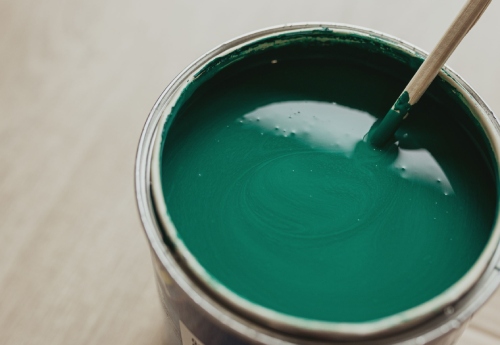
Painting is only as good as the preparation work underneath it. Fall weather benefits prep work just as much as paint application:
- Pressure Washing Performance: Before applying fresh coats, homes must be washed to remove mildew, oxidation, and dirt buildup. In moderate fall temperatures, power washed surfaces dry thoroughly without baking trapped moisture deep into porous wood grain. You can review our pressure washing services to see how proper prep sets the foundation.
- Wood Repair and Caulking: Exterior caulk and fillers expand and contract with temperature. Applying flexible sealants in extreme summer heat means they cure in an expanded state. When winter cold hits, they stretch to their limit and crack prematurely. Fall provides a neutral temperature baseline for caulking joints, window casings, and fascia boards.
If your home has deteriorated wood or damaged drywall around porch ceilings and entryway overhangs, addressing drywall repair and carpentry prep during dry autumn months guarantees a lasting seal.
Contractor Efficiency and Seasonal Value
The environmental factors that protect paint films also directly benefit the crew working on your home.
| Summer Painting Conditions | Fall Painting Conditions |
|---|---|
| Temperatures often exceed 90°F ambient and 110°F on siding | Stable 65°F to 75°F ambient temperatures |
| High risk of crew heat exhaustion and fatigue | Comfortable working climate for crews |
| Rushed painting to keep wet edges from drying | Deliberate, detail-focused craftsmanship |
| Peak season backlogs and tighter scheduling | Flexible scheduling and focused attention |
Better Working Conditions Mean Better Craftsmanship
Painting a two-story home on an aluminum ladder in 95-degree heat is physically draining. High heat forces painters to work rapidly just to keep wet edges moving before the paint sets on the wall.
In fall, comfortable working temperatures allow craftsmen to take their time on detailed prep work, crisp cut-ins along trim lines, and thorough inspection of every square foot.
Flexible Schedules and Great Value
Spring and mid-summer are peak demand periods for residential painters. By late summer and early fall, crew schedules open up, making it easier to secure project start dates that fit your personal timeline before winter sets in.
Don’t Just Take Our Word for It: Check Our Reviews
We take tremendous pride in the quality of our work and the relationships we build with our neighbors across Salisbury and Rowan County. Before hiring any contractor to work on your home, we always encourage homeowners to do a little research.
Take a moment to Google Superior Colors Painting in Salisbury, NC and read through our online reviews on Google and Facebook. You will see firsthand what local homeowners have to say about our communication, punctuality, and attention to detail.
Prepare Your Home for Winter with Superior Colors
Painting your home’s exterior in the fall does more than improve curb appeal. It locks out winter moisture, protects exterior wood from freezing temperature cycles, and preserves your investment for years to come.
If you are planning home improvements in Salisbury or surrounding communities, autumn is the sweet spot for long-lasting results. Browse our photo gallery to see recent local projects, check out our testimonials page, or learn more about our team.
Ready to give your house the protection it deserves before winter arrives?
Contact Superior Colors today:
- Phone: (704) 433-6739
- Email: info@superior-colors.com
- Get Started: Request a Free Quote Online